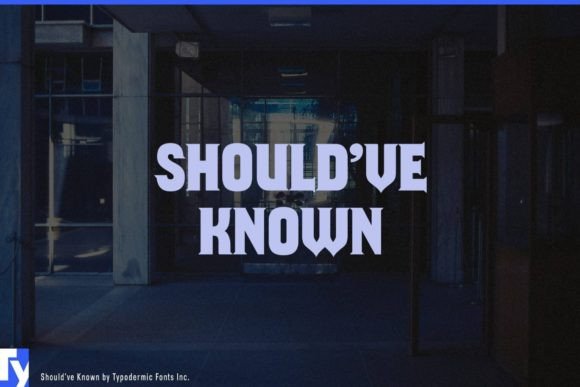
Should’ve Known: A Unique Take on Alternate-Reality Storytelling
Should’ve Known presents an intriguing blend of alternate-universe narratives and horse-opera themes, offering a fresh perspective in the realm of speculative fiction. This creative project stands out by merging elements typically found in Westerns—wide open spaces, rugged characters, and dramatic conflict—with the imaginative twists of parallel realities. The result is a story that invites readers to explore what might have happened if key events had unfolded differently, all within a richly textured setting reminiscent of classic frontier tales.
What Is Should’ve Known?
Should’ve Known is more than just a novel or film concept—it’s a narrative framework designed to challenge conventional storytelling structures. It centers around a world where decisions ripple across timelines, creating divergent paths for characters and communities. In this universe, horses aren’t just transportation; they’re central figures in the drama, symbolizing freedom, loyalty, and the untamed spirit of the land.
Typically, horse-operas are known for their over-the-top performances and dramatic flair, but Should’ve Known reimagines these tropes with a grounded, thoughtful approach. The story explores moral ambiguity, fate, and identity through the lens of individuals who find themselves in unfamiliar versions of their own lives. Whether it’s a cowboy waking up as a diplomat, or a rancher facing an alien invasion, the possibilities are endless.
Why Someone Might Be Interested in Should’ve Known
For fans of speculative fiction and Western genres alike, Should’ve Known offers a compelling fusion of both. It appeals to those who enjoy stories that ask “what if?” while maintaining a strong sense of character and setting. The alternate-reality angle allows for deep exploration of themes like regret, redemption, and resilience, making it ideal for audiences seeking emotional depth alongside adventure.
- It attracts readers who appreciate genre-blending creativity, combining the grit of the Old West with science fiction or fantasy elements.
- The concept resonates with those who enjoy narrative complexity, such as time loops, parallel universes, and character duality.
- It serves as a platform for exploring moral choices and the consequences of different life paths, appealing to introspective audiences.
Benefits and Tradeoffs of Engaging with Should’ve Known
Engaging with Should’ve Known can provide a unique reading or viewing experience, especially for those looking to escape traditional linear plots. Its emphasis on character-driven storytelling and thematic exploration often leads to memorable arcs and nuanced development. Additionally, the alternate-universe format encourages viewers to think critically about cause and effect, which can be both intellectually stimulating and emotionally engaging.
However, there are tradeoffs to consider. The non-linear structure may confuse some readers or viewers who prefer straightforward, chronological storytelling. Also, because it operates in a niche space between genres, Should’ve Known may not satisfy purists of either Westerns or sci-fi/fantasy. Its unconventional approach requires a willingness to embrace ambiguity and interpretive analysis, which might not suit everyone’s preferences.
Key Considerations Before Committing
If you're considering whether Should’ve Known is right for you, here are several factors to weigh:
- Tone and Style: Does the mix of dramatic Western visuals and speculative concepts appeal to your taste? If you enjoy projects like Deadwood or The Man in the High Castle, this might be a good fit.
- Emotional Engagement: Will you connect with characters who are essentially strangers in strange lands? These stories often rely on internal conflict and existential questions, which may not resonate with all audiences.
- Accessibility: Are you comfortable with layered narratives and subtle worldbuilding? Should’ve Known demands attention to detail and a suspension of disbelief that blends historical realism with speculative fiction.
When Should’ve Known Is a Strong Fit
Should’ve Known works best when the audience is looking for a thought-provoking and visually immersive experience. It's particularly well-suited for:
- Readers or viewers interested in alternate history and the philosophical implications of choice.
- Audiences who value character-driven drama over fast-paced action or plot twists.
- Those who appreciate visual storytelling, as its setting and tone lend themselves well to cinematic treatment.
- Fans of atmospheric settings and rich cultural backdrops, where every location feels lived-in and authentic.
In these scenarios, Should’ve Known provides a rewarding journey into the unknown, allowing audiences to reflect on their own lives and decisions through the lens of others'.
When Alternatives May Be Worth Considering
While Should’ve Known has much to offer, it’s not the only option available for those drawn to speculative storytelling or Western-inspired narratives. Alternatives might include:
- Classic Westerns: For a more traditional take on frontier life without the speculative twist.
- Alternate History Series: Projects like The Man in the High Castle or His Dark Materials, which focus heavily on divergent timelines and political intrigue.
- Character-Driven Sci-Fi: Works such as Arrival or Interstellar that emphasize personal transformation and existential themes.
- Visual Typographic Experiences: If the creative use of typography—like the slab serif font created by Typodermic Fonts—is part of your interest, look for media that integrates design as a storytelling device.
If clarity and simplicity are more important to you, or if you prefer a single, focused genre without hybrid elements, alternatives could better align with your expectations. Similarly, if you’re seeking fast-paced entertainment rather than slow-burn thematic depth, other options might serve you better.
Practical Insights for Decision-Making
Choosing whether to invest in Should’ve Known involves understanding your own preferences and goals as a consumer of media. Here are a few insights to help guide your decision:
- Look for sample content or early reviews to gauge the tone and pacing. Does it feel like a story you’d want to follow?
- Consider the format—is it a book, a screenplay, or an interactive experience? Your preferred medium will influence how deeply you engage with the material.
- Reflect on your intentions. Are you looking for escapism, intellectual stimulation, or emotional resonance? Should’ve Known leans toward the latter two, so choose accordingly.
- Check for availability and production status. Is it fully developed, or still in the conceptual stage? Knowing this helps manage expectations.
Final Thoughts
Should’ve Known represents a bold experiment in storytelling, one that bridges the familiar and the fantastical. Its strength lies in its ability to provoke thought while delivering a gripping narrative. However, it also demands patience and a willingness to engage with its layered world.
Ultimately, whether Should’ve Known aligns with your interests depends on your openness to new formats and your appreciation for character-driven, speculative fiction. If you’re ready to explore a tale where every decision could rewrite destiny—and where the wild, untamed spirit of the West meets the infinite possibilities of alternate realities—then this is a project worth knowing more about.