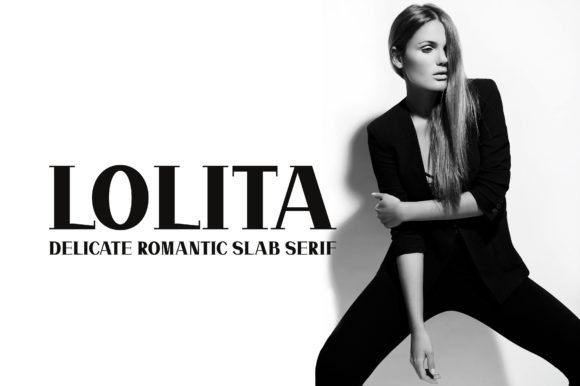
Lolita: A Romantic Typeface for Delicate and Elegant Designs
Fonts play a powerful role in shaping the tone and aesthetic of any design. The right typeface can evoke emotion, build brand identity, or simply make text more readable. One such font that stands out for its romantic and whimsical charm is Lolita. As the name suggests, this elegant typeface was crafted to express themes of romance, melancholy, and soft beauty. Its delicate curves and ornate details make it ideal for designs where subtlety and sophistication are key.
What Makes Lolita Unique?
Lolita is not just another decorative font. It has a distinct personality — one that blends femininity with nostalgia. Inspired by vintage aesthetics and classic calligraphy, it features soft serifs and flowing lines that give it an almost hand-drawn feel. This makes it stand out from more modern sans-serif fonts while still being legible enough for certain types of printed and digital media.
Whether you're designing a wedding invitation, branding a new perfume line, or creating content for a fashion blog, Lolita brings a touch of old-world romance and emotional depth. It’s particularly well-suited for projects where you want to communicate elegance without being overly formal.
Where Can You Use Lolita?
The versatility of Lolita means it can be applied across a wide range of industries and purposes. Let’s take a look at some of the most common and impactful use cases:
Fashion Design
In the world of fashion, typography is often as important as color and fabric. Lolita fits perfectly into fashion labels, especially those targeting a feminine or romantic audience. For example, a boutique selling vintage-style dresses might use this font on their logo or packaging to emphasize the nostalgic and elegant nature of their brand.
Freelance designers working on custom clothing lines or accessories could also benefit from using Lolita in tags, care labels, or promotional materials. It adds a refined edge that sets the product apart from mass-produced items.
Cosmetics and Perfume Packaging
Cosmetic and perfume brands frequently rely on typography to create a mood. Lolita is excellent for conveying a sense of luxury and romance. Think of a small artisanal skincare company that wants to market itself as natural and graceful — pairing Lolita with soft pastel colors and floral imagery can instantly elevate the visual appeal of their product line.
Its ornate style works well on labels, bottle tags, and even marketing brochures. Just imagine a perfume named “Whispers of Dawn” displayed in Lolita script — it feels poetic and evokes a dreamlike atmosphere that customers would associate with the product's essence.
Wedding and Event Invitations
If you’re ever tasked with designing a wedding invitation, Lolita is a great option. Its romantic vibe aligns beautifully with the theme of love and celebration. From the main title to the RSVP card, this font can help set a warm, inviting tone.
Beyond weddings, it’s also useful for other special events like anniversaries, quinceañeras, or Valentine’s Day promotions. The font doesn’t overpower the design but instead enhances it with a sense of timelessness and grace.
Stationery and Greeting Cards
Greeting cards, thank-you notes, and personalized stationery are all areas where Lolita shines. Because it carries a sense of delicacy and charm, it can be used to write messages, titles, or decorative elements on cards meant for birthdays, get-well wishes, or romantic gestures.
For hobbyists who enjoy making handmade cards or planners, downloading Lolita and incorporating it into their designs can add a unique flair. It helps create a personal connection between the message and the recipient, which is essential in handwritten or semi-handwritten formats.
Blog Headers and Website Branding
Bloggers and website owners in niches like fashion, beauty, or lifestyle can use Lolita to craft headers or logos that reflect their brand voice. If your blog focuses on vintage fashion trends or romantic literature, this font can reinforce your thematic identity.
However, it’s important to note that while Lolita looks stunning in headers, it may not be suitable for body text due to its intricate style. Use it sparingly for emphasis, titles, or taglines to maintain readability while still capturing attention.
Educational and Cultural Projects
Teachers and educators working on projects related to art history, literature, or cultural studies can find Lolita to be a useful resource. When presenting slides about 19th-century French literature or romantic poetry, using this font can help students visualize the era’s aesthetic sensibilities.
Similarly, museum curators or event organizers for cultural exhibitions might use Lolita in signage, program booklets, or promotional banners to enhance the romantic or historical ambiance of their displays.
Commercial Art and Print Media
Graphic designers working on commercial art, such as posters, flyers, or editorial layouts, can benefit from Lolita when aiming for a softer, more emotive look. It’s perfect for book covers, magazine headlines, or event posters for theater productions and ballet performances.
One practical example is a local bookstore launching a collection of romantic novels. Using Lolita in the poster design can immediately draw in the target audience by visually signaling the genre and mood of the books.
Who Benefits Most from Using Lolita?
Several user groups can leverage Lolita effectively in their work or personal projects:
- Entrepreneurs in niche markets like fashion, cosmetics, or greeting cards looking to differentiate their brand with a unique typographic style.
- Marketing professionals seeking to create campaigns that evoke emotional responses through visuals.
- Freelancers and creatives needing a versatile yet stylish font for client projects or personal portfolios.
- Small business owners wanting to add a personal, artistic touch to their branding without sacrificing professionalism.
- Bloggers and publishers aiming to establish a consistent and appealing visual identity across their platforms.
Real-World Scenarios Where Lolita Works Well
Let’s explore how different users might apply Lolita in real-life situations:
- A perfumer creates a new line of scents inspired by 18th-century Paris. She uses Lolita for the label names and descriptions, giving her products a classic, romantic feel.
- An independent fashion designer wants to launch a capsule collection centered around vintage-inspired gowns. He pairs Lolita with sepia-toned photography and lace textures to create a cohesive look that resonates with his target audience.
- A wedding planner is preparing a brochure for a client’s destination wedding. She selects Lolita for the header to match the romantic and ethereal theme they've chosen.
- A handmade soap seller uses Lolita on her product packaging and social media graphics to convey a sense of natural beauty and elegance.
- A bookstore owner decides to redesign the store’s signage for a literary festival. He chooses Lolita for the event banner, knowing it will attract readers who appreciate the romantic and poetic side of literature.
Considerations Before Using Lolita
While Lolita is a beautiful and expressive typeface, it’s not always the best fit. Here are a few things to consider before deciding to use it:
Legibility vs. Style
Because of its ornate and flowing design, Lolita may be harder to read in large blocks of text. Avoid using it for long paragraphs or dense information. Instead, reserve it for short phrases, headings, or decorative accents where its beauty can shine without compromising clarity.
Target Audience Alignment
This font appeals most to audiences who value aesthetics and storytelling. If your project is more technical, corporate, or minimalist in nature, Lolita might not be the best choice. Always ensure that the font matches the tone and expectations of your audience.
Complementary Design Elements
To truly highlight Lolita, pair it with complementary design elements. Soft backgrounds, watercolor illustrations, or muted palettes tend to bring out its romantic qualities. On the flip side, using it alongside bold geometric shapes or bright colors might clash and dilute its intended effect.
Font Licensing and Usage Rights
Before downloading or using Lolita, check the licensing terms. Some decorative fonts have restrictions on commercial use, so if you plan to sell products featuring the font, make sure you understand what permissions you need. There are many reputable font websites where you can purchase or download Lolita legally and with clear usage guidelines.
How to Incorporate Lolita Into Your Work
Here are a few tips for integrating Lolita into your creative or professional projects:
- Use it in headers: Whether you’re designing a website or a print ad, let Lolita headline your content to draw attention and set the mood.
- Pair with simpler fonts: Balance the complexity of Lolita with a clean, sans-serif font for body text to keep your design readable and functional.
- Experiment with spacing: Give the font room to breathe by adjusting letter spacing and line height. This helps preserve its elegance and prevents overcrowding.
- Test on multiple devices: Ensure that Lolita renders clearly on both desktop and mobile screens. While it looks stunning on high-resolution monitors, it might lose detail on smaller or lower-quality displays.
- Combine with imagery: Use photos or illustrations that complement the romantic and nostalgic tone of Lolita to create a unified visual experience.
Final Thoughts
Lolita is more than just a pretty font — it’s a design tool that can help tell a story, evoke emotions, and create memorable experiences. From fashion to fragrance, from blogs to bookstores, this romantic typeface offers a timeless aesthetic that can enrich a variety of projects.
By understanding where it works best and how to balance it with other design choices, you can harness the full potential of Lolita to create visuals that resonate deeply with your audience. So next time you’re working on something that needs a little more heart, consider letting Lolita do the talking for you.