Ivey: The Font That Elevates Typography in Modern Design
In the ever-evolving world of design, typography plays a crucial role in shaping visual communication. Whether you're crafting a brand identity, designing product packaging, or creating digital content, the right font can make all the difference. Enter Ivey, a typeface that has been gaining traction among professionals and creatives for its elegance, versatility, and unique aesthetic appeal. This article explores what Ivey is, why it’s resonating with designers today, and how it aligns with broader creative and business trends.
What Is Ivey?
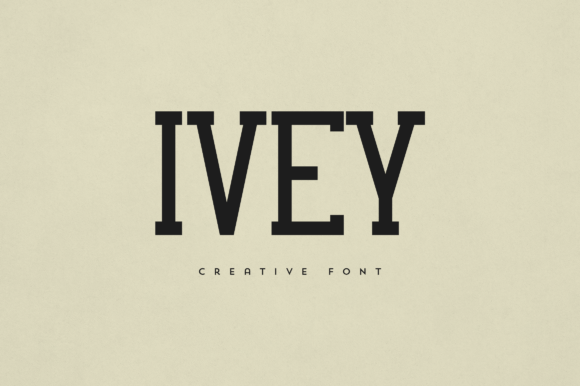
Ivey is a modern serif font that combines classic typographic elements with contemporary flair. Its clean lines, subtle contrast, and balanced proportions make it both readable and visually striking. Unlike many traditional serif fonts that lean heavily into historical styles, Ivey introduces a fresh perspective while maintaining the sophistication associated with serif typefaces. It's designed to work seamlessly across various mediums, from print to digital screens, making it a go-to choice for designers who value adaptability without compromising style.
The font family includes multiple weights and styles, allowing for a wide range of applications—from bold headlines to delicate body text. Each variation of Ivey retains the core characteristics that define its charm, ensuring consistency in branding efforts while offering enough flexibility to suit diverse needs.
Why Ivey Stands Out in Today’s Design Landscape
In an industry saturated with typefaces, standing out requires more than just good looks—it demands relevance. Ivey does exactly that by fitting into several current design movements:
- Minimalism and Clean Aesthetics: As brands increasingly adopt minimalist approaches to convey clarity and professionalism, Ivey’s refined structure supports this trend without feeling overly restrained.
- Hybrid Branding: With businesses often needing to maintain a consistent look across physical and digital spaces, Ivey’s ability to render beautifully on both ensures a cohesive brand presence.
- Typography as Identity: In today’s market, typography is no longer just a functional element; it’s a key component of brand personality. Ivey’s distinct character allows it to serve as a visual signature for companies looking to differentiate themselves.
Elegance Meets Functionality
One of the reasons Ivey is being embraced so widely is its balance between form and function. While it exudes a sense of luxury and artistry, it doesn’t sacrifice readability—a critical factor in user experience (UX) design and marketing materials. This duality makes it especially valuable for entrepreneurs and marketers who need their messaging to be both engaging and accessible.
Ivey in Action: Real-World Applications
Ivey’s adaptability means it can be found in a variety of real-world applications. Here are some notable use cases where it shines:
1. Branding Projects
For startups and established businesses alike, choosing the right font is part of building a strong brand identity. Ivey adds a touch of class to logos, taglines, and other branding assets. Its subtle curves and open apertures lend themselves well to high-end fashion labels, lifestyle brands, and even tech companies seeking to project innovation through elegance.
2. Home-Ware and Product Packaging
Home-wares and consumer products often rely on typography to communicate values such as comfort, quality, and style. Ivey’s warm yet professional tone works exceptionally well in these contexts. Think of coffee mugs, greeting cards, or artisanal food packaging—each benefits from the font’s ability to feel personal and premium at the same time.
3. Magazine and Editorial Design
Magazines and online publications are turning to Ivey for headers and pull quotes. Its legibility and aesthetic richness help guide readers through content, enhancing both visual flow and engagement. Editors appreciate how it complements photography and graphic elements without overpowering them.
4. Digital Overlays and Social Media Content
On platforms like Instagram, Pinterest, and LinkedIn, visuals must capture attention quickly. Ivey’s clear forms and graceful strokes allow it to stand out when used as a text overlay on images. It helps marketers create compelling posts that are easy to read but also stylistically rich.
Trends Driving Ivey’s Popularity
Ivey’s rise isn't accidental—it reflects a shift in how designers and consumers perceive typography. Let’s take a closer look at the trends fueling its adoption:
The Demand for Unique Visual Identities
With so many businesses competing for attention, having a unique visual identity is essential. Fonts like Ivey provide that edge. They offer a way to distinguish your brand from others using more common typefaces, especially in industries where differentiation is key—such as fashion, wellness, and premium goods.
Increased Use of Hybrid Workflows
Designers today often work across multiple formats and platforms. Ivey’s compatibility with print and digital workflows makes it a practical choice for those managing cross-channel campaigns. From website banners to printed brochures, it maintains a consistent look and feel, which is vital for brand recognition.
Focus on User Experience (UX)
User experience has become a central concern in design. Ivey contributes to better UX by ensuring text remains legible while adding a layer of sophistication. This is particularly important in web design and app interfaces, where usability and aesthetics must coexist harmoniously.
Retro Revival with a Modern Twist
There’s been a noticeable trend toward retro-inspired designs in recent years, but with a modern twist. Ivey fits perfectly into this movement, combining the warmth of vintage typography with the precision of digital-era design. This nostalgic yet forward-thinking approach appeals to audiences across generations, making it a versatile asset in any designer’s toolkit.
Why Designers Are Paying Attention to Ivey
Several factors have contributed to Ivey becoming a favorite among professionals in the design field:
- High-Quality Construction: Ivey is meticulously crafted with attention to detail. Each glyph is optimized for clarity and beauty, ensuring that the font performs well under different conditions.
- Wide Range of Applications: From editorial layouts to product labels, Ivey adapts effortlessly. Its versatility reduces the need for multiple fonts in a single project, streamlining the design process.
- Strong Visual Impact: Despite its subtlety, Ivey commands attention. When used strategically, it can elevate a design from ordinary to extraordinary, making it ideal for headlines and call-to-action elements.
- Accessibility Considerations: As inclusive design becomes a priority, Ivey meets the demand for fonts that are both stylish and easy to read. It supports a broad set of characters and languages, expanding its global applicability.
Aesthetic Flexibility
One of the most appealing aspects of Ivey is its aesthetic flexibility. It pairs well with both monochromatic schemes and vibrant color palettes. Whether used in a sleek black-and-white layout or a bold, colorful poster, Ivey maintains its integrity and enhances the overall composition. This adaptability is especially beneficial for freelancers and small agencies working with varied client needs.
How Ivey Aligns with Consumer Preferences
Consumer behavior is another area where Ivey finds resonance. Modern audiences are drawn to brands that feel authentic and curated. Typography plays a big role in conveying that authenticity. Ivey’s organic feel and elegant construction help brands achieve a look that is both trustworthy and aspirational.
Additionally, there’s a growing appreciation for craftsmanship in design. Consumers now notice and value thoughtful details, including the choice of fonts. Ivey taps into this sentiment by offering a typographic solution that feels handcrafted yet highly functional.
Practical Examples of Ivey in Use
Let’s explore some concrete examples of how Ivey is being used effectively:
- Logo Design: A boutique skincare company recently rebranded using Ivey for its logo and supporting text. The font helped reinforce their message of natural beauty and premium ingredients, contributing to a significant increase in customer trust and brand loyalty.
- Product Packaging: A line of gourmet teas adopted Ivey for their label typography. The font’s soft serifs and refined appearance complemented the luxurious nature of the product, leading to a 20% boost in sales within the first quarter of launch.
- Digital Marketing: A lifestyle blog used Ivey in its social media templates and website headers. The result was a more polished look that attracted higher engagement rates and encouraged repeat visits.
Ivey and the Future of Typography
As design continues to evolve, so too do the tools we use. Ivey represents a forward-thinking approach to typography—one that honors tradition while embracing modernity. Its success lies not only in its visual appeal but also in its alignment with current and emerging trends in how we consume and interact with information.
Looking ahead, the demand for fonts that can bridge the gap between style and substance will only grow. Ivey is well-positioned to meet this need, offering a solution that is both timeless and timely. For designers who want to stay ahead of the curve, integrating Ivey into their projects provides a strategic advantage.
Embracing Ivey in Your Workflow
If you’re considering adopting Ivey, here are a few tips to get started:
- Test Across Mediums: Before finalizing your design, ensure Ivey looks great on both screen and print. Test it at different sizes and resolutions to confirm its performance.
- Pair Thoughtfully: Choose complementary fonts for secondary text to avoid visual clutter. Sans-serif fonts like Helvetica or Open Sans often pair well with Ivey for a balanced look.
- Use Sparingly for Impact: Because Ivey is so distinctive, using it sparingly—such as for headings or key phrases—can enhance its effect and prevent overuse.
- Stay Consistent: Once you’ve selected Ivey for a project, maintain consistency across all elements. This reinforces brand recognition and creates a unified visual language.
Conclusion
Ivey is more than just another font in the vast library of available options. It’s a carefully considered typeface that speaks to the evolving needs of designers and consumers alike. By blending elegance with functionality, Ivey offers a unique solution for those looking to create impactful, memorable designs across a range of industries and platforms.
Whether you’re an entrepreneur launching a new product, a marketer crafting a campaign, or a designer pushing creative boundaries, Ivey provides the tools to elevate your work. Its relevance is rooted in current trends and supported by a growing community of professionals who recognize its value. As the design landscape continues to shift, fonts like Ivey will remain essential in helping brands and creators tell their stories with clarity and style.